


In-car safety, there are few parts more vital than the braking system. Brake pads are especially critical of all its components because they directly influence whether the vehicle stops well or not. Even though they are so important, many drivers do not appreciate the need to replace brake pads in good time, putting themselves at risk and potentially that of other road users. In this blog, we’ll explore why replacing brake pads on time is essential for safe driving, how to identify worn-out pads, and what can happen if they’re neglected.
Understanding the Role of Brake Pads
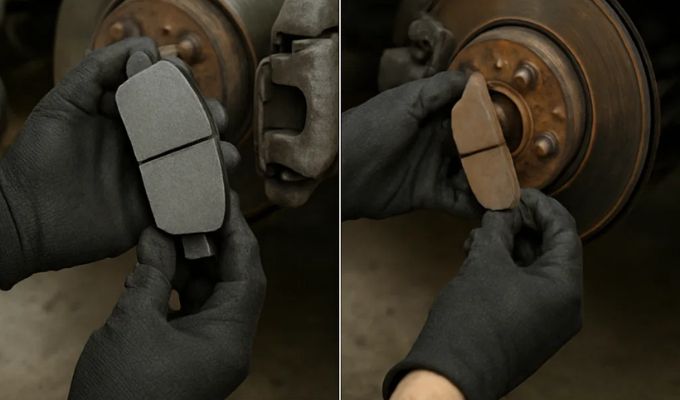
Brake pads are an essential component of the disc braking system used in most contemporary cars. As the brake pedal is pressed, the pads are forced against the rotors, creating friction that slows or stops the vehicle. The friction, though, causes them to wear out over time. Worn brake pads make braking less efficient, make stopping further away, and even cause other parts of the braking system to be damaged.
Why a Timely Brake Pad Replacement Is Important
1. Guarantees Optimal Braking Performance
When brake pads wear out, they are less capable of producing the friction needed to stop your car. This makes your vehicle move further before it entirely stops. A one-second stop delay can lead to significant accidents when driving in emergencies. Regular replacement of brake pads helps keep your car brakes strong enough to respond swiftly and effectively at all times.
2. Lowers the Chance of Brake Failure
Neglecting worn-out brake pads raises the risk of catastrophic brake failure. When the pad material wears away entirely, the metal backing plate rubs against the rotor, creating a hazardous metal-on-metal situation. In addition to making braking significantly less effective, it may overheat and warp or crack the rotors—rendering the entire braking system inoperable.
3. Safeguards Other Brake Components
Worn-out brake pads can ruin the rotors, calipers, and brake lines. Replacing the pads promptly is far less expensive and time-consuming than fixing or replacing various brake system components. Preventive maintenance, like brake pad replacement, can save you from costly repairs later.
4. Saves Fuel
Surprisingly, worn-out brake pads can also impact your vehicle’s fuel efficiency. When the pads are rubbing against the rotor because of misalignment or wear and tear, the engine will work harder to push the car around, consuming more Fuel. Maintaining your brake pads is essential for improved mileage and vehicle efficiency.
5. Improves Driving Comfort and Confidence
Worn-out brake pads emit squealing or grinding sounds, vibrations, and less responsive braking. This may make driving uncomfortable and stressful, particularly in heavy city traffic or long highway drives. Replacement of worn-out brake pads, when necessary, returns smooth, quiet braking capability, providing drivers with confidence and improved control of their vehicle.
Signs That You Need Brake Pad Replacement
It’s important to know when to change your brake pads. Some typical warning signs include:
- Squeaking or Squealing Sound: Usually due to built-in wear indicators in the pads.
- Grinding Sound: Pads are worn out, and metal backing is rubbing on the rotor.
- Longer Distances to Stop: Plain indication of impaired braking efficiency.
- Vibrations During Braking: This may be due to uneven pad wear or bad rotors.
- Brake Warning Light: Some newer cars have sensors reminding you when to replace brake pads.
When you see any warning signs, check your brakes and install new brake pads as quickly as possible.
How Often Should You Replace Brake Pads?
It depends, as brake pad life is determined by driving style, road conditions, and vehicle make. In general, it’s recommended to inspect your brake pads at 10,000–15,000 kilometers and replace them at 30,000–70,000 kilometers. Check your car manual or a qualified mechanic for your specific vehicle.
Professional vs. DIY Brake Pad Replacement
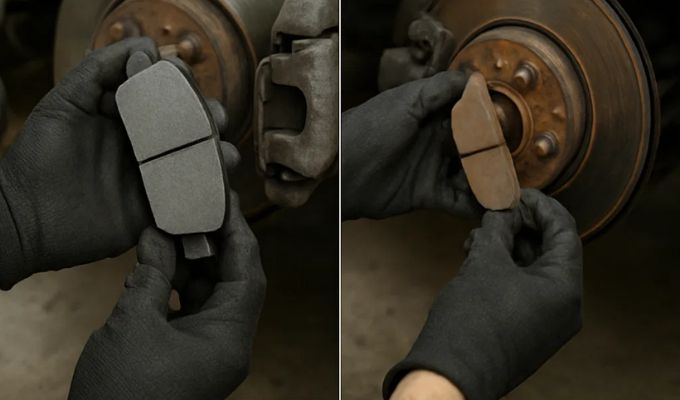
Although some seasoned car owners might be willing to replace brake pads independently, letting a professional do it is usually safer and more effective. Master technicians possess the right tools and experience to get the pads appropriately installed, check the rotors to ensure they are safe to use, and check the braking system afterward to ensure everything works correctly. Unless you have faith in your car skills, it’s best to let professionals do brake pad replacements.
Final Thoughts
Brakes are the most vital safety feature in your car, and the health of your brake pads significantly affects their overall performance. On-time replacement of brake pads ensures your safety and that of others around you but also avoids harm to other vehicle components and saves you money in the long term. Inspecting your brakes regularly, paying attention to warning signs, and having them professionally serviced can go a long way toward making sure your car is safe and roadworthy.
Don’t wait until a severe failure reminds you of its importance—act early, drive safely, and include brake pad replacement as an integral part of your routine car care regimen.

